
Showstoppers: 10 legendary dance performances on the road to PURE CINEMA


Before our biennial concert takes the stage, we're looking back at ten moments, in film, on Broadway, and beyond, that changed dance forever… and why we can't wait to watch our own dancers get their spotlight moment.
By Studio One Dance Academy
Quick Summary
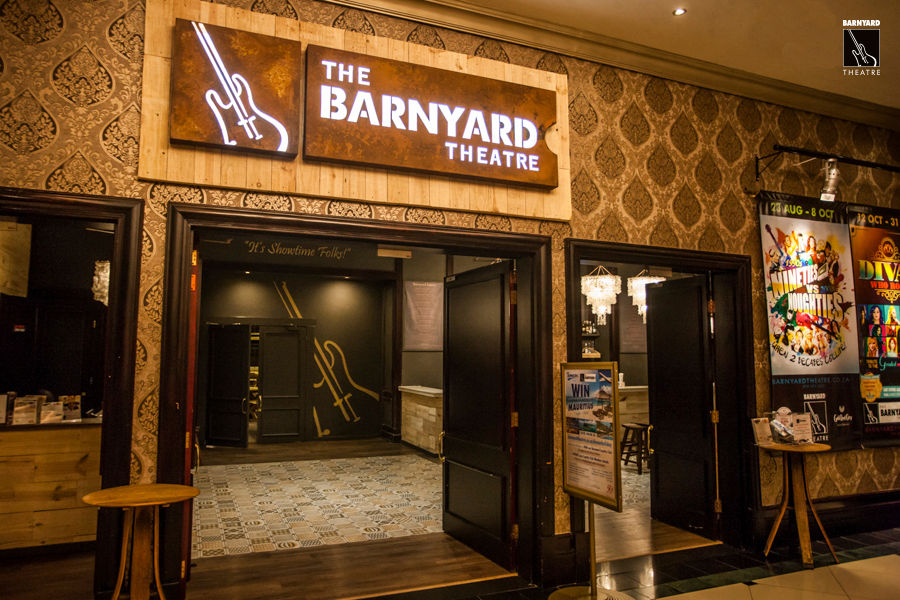
Studio One Dance Academy's biennial full-academy concert, Pure Cinema, comes to The Barnyard Theatre Tyger Valley on Saturday, 24 October 2026, 14:00–16:00.
We've rounded up ten performances spanning a century, film sets to Broadway stages, that changed what audiences believed dance could do.
Every entry below connects to one of the six disciplines Studio One teaches: Ballet, Modern, Lyrical, Jazz, Acro and Hip Hop.
Tickets are on sale now, with limited seats available, exclusively through the Studio One website.
Jump Ahead
Every dance parent has heard some version of the same question, usually asked in a car park five minutes before a winter evening class: why does this matter so much? Why the costume fittings, the extra rehearsals, the nerves before a two-minute routine?
Because a class is where technique gets built, quietly, one count at a time, with nobody watching. A concert is where it gets tested. Under real lights, in front of a real audience, with no second take. That's the gap between a good dancer and a performer, and it's exactly what a biennial concert like ours exists to close.
This October, that concert is called Pure Cinema, Studio One's love letter to a century of film, brought to life on stage by students from all five of our studios: Brackenfell, Durbanville, Paarl, Franschhoek and Somerset West. Before the curtain goes up at The Barnyard Theatre, we wanted to do what any dance-obsessed studio does before a big show: look back. Here are ten performances, some from the movies that inspired this year's theme, a few from the stage traditions that shaped them, that are still worth talking about decades later.
SODA Picks: 10 stage & screen dance classics

1. Gene Kelly, Singin' in the Rain (1952)
Discipline: Jazz
No list like this one starts anywhere else. Gene Kelly splashing through a rain-soaked studio backlot, umbrella twirling, grin never slipping, is still the reference point for joy expressed through movement: three minutes long, technically demanding, and built on a deceptively simple idea, dance like nobody's watching, even though the whole world has been watching for over seventy years. It's proof that technical brilliance and pure, unfiltered happiness were never opposites. That's the same lesson every jazz class at Studio One starts with.
2. The Nicholas Brothers, "Jumpin' Jive," Stormy Weather (1943)
Discipline: Acro
Fred Astaire himself once called this the greatest dance number ever put on film, and having watched Fayard and Harold Nicholas leap over each other into a full split, down a flight of stairs, in one unbroken take, it's hard to argue. What makes it remarkable isn't just the daring; it's that they reportedly performed it with almost no rehearsal, trusting their bodies completely. That combination of power, precision, and total trust in your own training is exactly what we build toward in Acro, one skill at a time, well before anyone's asked to trust a staircase.
3. Jerome Robbins, West Side Story (1957 stage / 1961 film)
Jerome Robbins didn't choreograph dance breaks for West Side Story; he used dance to tell the story itself. In numbers like "America" and "Cool," rival groups are established through movement alone, long before either says a word that matters. It remains one of the clearest demonstrations on record that choreography can carry plot and emotion as powerfully as dialogue, and it's still one of the most-studied pieces of dance storytelling in the world, the exact skill our Modern and Jazz students are working toward every time they're asked what a movement means, not just what it looks like.
4. Patrick Swayze & Jennifer Grey, Dirty Dancing (1987)
Discipline: Lyrical
The final lift in Dirty Dancing is dance-movie shorthand for an entire genre: the moment an audience holds its breath. What makes it last isn't the lift itself, though. It's everything underneath it. A season of secret lessons. An awkward beginning. A partnership built one rehearsal at a time until it looks effortless. Any parent who has watched their child go from stiff and self-conscious in week one to fully present by the recital will recognise that arc immediately. It's the same one every Lyrical student walks, just on a smaller stage.
5. Flashdance, "What a Feeling" (1983)
The closing audition scene in Flashdance fuses ballet lines, jazz technique and raw street energy into one explosive routine, performed by a welder who dances at night because she has to, not because anyone gave her permission. It became a genuine cultural phenomenon precisely because it refused to stay in one lane, and that's still the whole idea behind Studio One's Adult classes, where "first-timers welcome" isn't a slogan so much as an instruction. It is never too early to start, and, as this scene proves, it is never too late either.
6. Michael Jackson, the Moonwalk, Motown 25 (1983)
Not every legendary dance moment came from a movie set. When Michael Jackson slid backwards across a television stage mid-"Billie Jean," in a single rhinestone glove, pop culture shifted in real time, live, with no edit, no second take. It's one of the most replayed six minutes in television history, and a reminder that a legendary performance doesn't always need an elaborate set. Sometimes it just needs one dancer, total commitment, and a single move landed at exactly the right moment.
7. La La Land, the Freeway Opener (2016)
Discipline: Modern
Damien Chazelle's opening number sends dozens of dancers leaping between cars on a Los Angeles freeway on-ramp, shot in a single sustained take that reportedly required shutting down an entire stretch of road for a weekend. It reignited mainstream appetite for the movie musical almost overnight, and it's the clearest reminder on this list that a full ensemble, drilled and moving in real time, can still stop an audience cold. That's exactly the kind of full-company energy Studio One dancers bring to a biennial concert stage.
8. A Chorus Line, "One" (Broadway, 1975)
Discipline: Jazz
For most of A Chorus Line, dancers auditioning for an anonymous ensemble step forward one by one to tell the audience who they actually are: their fears, their bodies, their odds of getting the job. Then comes "One": gold costumes, a mirrored line, and total unison, as those same distinctive individuals dissolve into a single, dazzling instrument. It's Broadway's clearest statement on what ensemble dance actually asks of a performer, not to disappear, but to understand exactly how your timing affects everyone standing beside you.
9. Riverdance, Eurovision Interval (1994)
Discipline: Precision & Ensemble
Riverdance was only ever supposed to fill a seven-minute interval slot at the 1994 Eurovision Song Contest. Instead, Jean Butler and Michael Flatley's razor-sharp, perfectly synchronised footwork, broadcast to an estimated 300 million viewers, launched a global stage phenomenon almost overnight. It remains the gold standard for what a large group can do when every single dancer hits their mark at exactly the same moment, and it's the number every choreographer building a group routine is quietly measuring their own precision against.
10. Dada Masilo, a Reinvented Swan Lake
Closer to home: South African choreographer Dada Masilo spent her career reworking classical ballets, Swan Lake, Giselle, through an African lens, fusing pointe work and traditional choreography with South African dance forms to speak directly to South African audiences about identity, gender and belonging. Her sudden passing in December 2024, at just 39, was felt across the global dance community. Her influence on what South African dancers believe is possible on an international stage remains enormous, proof that classical training, for all its centuries-old tradition, is still capable of writing entirely new chapters. It felt right to end here, on home ground, before turning to a concert of our own.

From the Studio to PURE CINEMA
Every performance on this list started exactly the same way ours does: in a studio, with a dancer working through a count they hadn't quite learned yet. That's the part audiences
never see, the invisible hours behind every effortless-looking moment above.
We see it every week. In the toddler taking a first Budding Programme class at Die Ateljee Studio in Brackenfell. In a Junior Programme dancer sharpening isolations at Rooted Studio in Durbanville. In a Senior soloist rehearsing at The Yard, Val de Vie Estate, Paarl, or under the trees at La Bri Farm in Franschhoek. In an adult walking through the door of Think Silver Studio in Somerset West for the very first time, nervous, and doing it anyway.
On Saturday, 24 October 2026, all of it comes together at The Barnyard Theatre, Tyger Valley, when students from every one of our studios step into the lights for Pure Cinema, our biennial, full-academy tribute to a century of film, told through Ballet, Modern, Lyrical, Jazz, Acro and Hip Hop.
Buy your tickets to Pure Cinema → General admission, R100 (under 12) to R160 (adult), on sale now.
Not yet part of the Studio One story? Every dancer who takes that stage in October started exactly where a new student starts today, with one trial class and a teacher who believed they were ready to try.
Brackenfell · Durbanville · Paarl · Franschhoek · Somerset West
Frequently Asked Questions
When is Studio One's Pure Cinema concert?
Saturday, 24 October 2026, from 14:00 to 16:00.
Where is the concert taking place?
The Barnyard Theatre, Tyger Valley.

How much are tickets?
R100 for children under 12, and R160 for adults, plus a small ticket service fee. Tickets are sold exclusively through the Studio One website.

Who performs at the concert?
Students from across all five Studio One locations, Brackenfell, Durbanville, Paarl, Franschhoek and Somerset West, performing together across Ballet, Modern, Lyrical, Jazz, Acro and Hip Hop.
Can my child join Studio One before the concert?
Yes. New students can book a free trial class at any of the five studios, for any age from two years old through to adult classes, at any point in the year.


Comments